
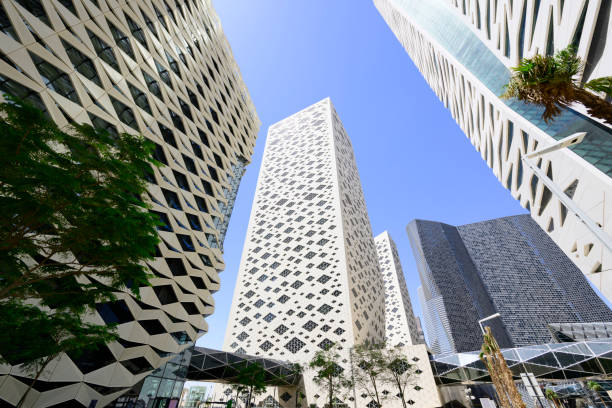
Saudi Arabia is experiencing one of the most significant real estate transformations in the Middle East. Driven by Vision 2030, rapid urban development, population growth, and increasing foreign investment, the Kingdom offers new opportunities for investors and developers. Understanding investment signals has become essential for every property advisor delivering real estate advisory services to clients seeking long term value. Identifying market trends before they become mainstream allows advisors to minimize risk while maximizing returns in residential, commercial, industrial, and mixed use developments.
Property advisors today are expected to go beyond property selection. They must interpret economic indicators, demographic trends, financing conditions, infrastructure developments, regulatory reforms, and technology adoption. These investment signals help clients make informed decisions based on evidence instead of speculation.
According to recent 2026 market estimates, Saudi Arabia’s real estate market value has exceeded SAR 1.6 trillion, while the construction sector continues to expand through Vision 2030 mega projects. The Kingdom also aims to increase homeownership to 70%, encouraging strong demand across residential developments. Foreign direct investment continues to support commercial and hospitality projects, creating new investment opportunities throughout the country.
Why Investment Signals Matter in Saudi Arabia
Every investment decision carries uncertainty. Successful property advisors reduce uncertainty by studying measurable market indicators before recommending investments.
Saudi Arabia continues to invest billions in infrastructure, tourism, logistics, housing, healthcare, education, and smart cities. These developments create long term demand that directly affects property values.
Real estate investment signals help advisors identify
- Areas with strong capital appreciation potential
- Locations experiencing infrastructure expansion
- Markets supported by government initiatives
- Property sectors with increasing demand
- Investment risks before they become significant
- Opportunities for portfolio diversification
Rather than reacting to market changes, experienced advisors anticipate them.
The Transformation of Saudi Arabia’s Property Market
Vision 2030 has reshaped the country’s investment landscape through diversification and private sector participation.
Several sectors are driving sustained property demand.
- Residential communities
- Commercial office developments
- Industrial logistics parks
- Tourism destinations
- Hospitality projects
- Healthcare facilities
- Educational campuses
- Mixed use developments
Government backed mega projects continue attracting local and international investors.
Recent reports indicate that Saudi Arabia has announced development projects valued at more than US$ 1.3 trillion, making it one of the world’s largest construction markets entering 2026.
Signal 1. Population Growth and Urban Expansion
Population growth remains one of the strongest indicators for future property demand.
Saudi Arabia’s population has surpassed 38 million people during 2026, while urbanization continues increasing across Riyadh, Jeddah, Dammam, Makkah, and Medina.
Growing populations create demand for
- Housing
- Retail centers
- Healthcare facilities
- Schools
- Office buildings
- Entertainment destinations
Property advisors who monitor demographic shifts can identify neighborhoods likely to experience sustained appreciation.
Young professionals entering the workforce also create increasing demand for apartments and affordable housing communities.
Signal 2. Government Infrastructure Investment
Infrastructure investment often precedes real estate appreciation.
Roads, airports, railways, public transportation, utilities, and smart city projects improve accessibility while increasing surrounding property values.
Saudi Arabia continues investing hundreds of billions of riyals across Vision 2030 infrastructure projects.
Examples include
- Metro systems
- Highway expansion
- International airports
- Tourism destinations
- Industrial zones
- Smart cities
Areas benefiting from infrastructure upgrades often experience higher rental demand and stronger capital growth.
Signal 3. Housing Demand and Homeownership Growth
Housing remains one of the strongest investment drivers.
Saudi Arabia continues supporting residential ownership through government initiatives and financing programs.
The national homeownership rate has reached approximately 66%, moving toward the Vision 2030 objective of 70%.
Higher housing demand benefits
- Apartment developments
- Villas
- Townhouses
- Affordable housing
- Master planned communities
Property advisors should analyze housing supply alongside buyer demand before making recommendations.
Signal 4. Foreign Investment Activity
International investors often identify opportunities before broader market participation.
Saudi Arabia continues attracting foreign investment through improved regulations, investor friendly reforms, and economic diversification.
Foreign investors increasingly focus on
- Hospitality
- Commercial offices
- Logistics facilities
- Mixed use projects
- Tourism developments
Growing foreign capital usually indicates confidence in long term economic performance.
Advisors providing real estate advisory services should monitor foreign investment trends because they often influence pricing, liquidity, and future development.
Signal 5. Employment Growth
Employment directly affects housing demand.
As more industries expand across Saudi Arabia, professionals relocate to major cities seeking employment.
Growing industries include
- Technology
- Financial services
- Healthcare
- Tourism
- Renewable energy
- Manufacturing
- Logistics
Higher employment supports
- Residential sales
- Rental demand
- Retail expansion
- Commercial office occupancy
Cities creating thousands of new jobs typically experience healthier property markets.
Signal 6. Tourism Development
Saudi Arabia has rapidly emerged as one of the world’s fastest growing tourism destinations.
Tourism supports numerous property sectors.
- Hotels
- Serviced apartments
- Retail centers
- Entertainment venues
- Vacation residences
Saudi Arabia aims to welcome 150 million annual visitors by 2030, while tourism investment continues accelerating throughout 2026.
Projects including NEOM, The Red Sea, Diriyah, AlUla, and Qiddiya continue expanding accommodation requirements.
Property advisors should monitor tourism performance because visitor growth often translates into increasing real estate demand.
Signal 7. Commercial Occupancy Rates
Commercial real estate performance reflects business confidence.
High occupancy generally indicates
- Strong business activity
- Increasing employment
- Growing corporate investment
- Stable rental income
Office buildings with consistently high occupancy often generate predictable cash flow.
Retail centers also benefit from expanding consumer spending.
Several prime business districts in Riyadh continue reporting strong leasing activity as multinational companies establish regional headquarters.
This trend supports long term commercial property investment.
Signal 8. Financing Conditions
Access to financing influences property demand across every market.
Mortgage availability, financing costs, and lending policies directly affect purchasing activity.
Saudi Arabia’s banking sector remains well capitalized while supporting residential financing.
Recent lending growth continues encouraging
- First time buyers
- Residential investors
- Commercial developers
- Institutional investors
Property advisors should continuously evaluate financing conditions before recommending investment timing.
Changes in lending policies often influence transaction volumes.
Signal 9. Technology and Smart City Development
Technology has become a major investment indicator.
Smart cities attract businesses, residents, and investors seeking sustainable urban environments.
Saudi Arabia continues investing heavily in
- Artificial intelligence
- Smart infrastructure
- Digital government
- Green buildings
- Intelligent transportation
- Renewable energy
NEOM represents one of the world’s largest smart city developments with planned investments exceeding US$ 500 billion.
Technology focused developments typically increase surrounding property demand while supporting long term value appreciation.
Professionals delivering real estate advisory services increasingly analyze digital infrastructure alongside traditional market fundamentals.
Signal 10. Rental Yield and Capital Appreciation
Rental income remains one of the most important investment indicators.
Successful investors evaluate both
- Current rental returns
- Future property appreciation
High rental demand creates stable cash flow while appreciation builds long term wealth.
Property advisors examine
- Rental occupancy
- Lease renewals
- Neighborhood growth
- Future developments
- Supply pipeline
- Infrastructure expansion
Combining rental performance with appreciation potential produces balanced investment decisions.
The Role of Economic Diversification
Saudi Arabia’s economy has expanded well beyond oil.
Vision 2030 supports sectors including
- Tourism
- Entertainment
- Healthcare
- Technology
- Manufacturing
- Financial services
- Renewable energy
- Logistics
Diversification creates broader employment opportunities, increasing housing demand and commercial activity.
Economic diversification reduces dependence on one industry while supporting sustainable real estate growth.
How Data Improves Investment Decisions
Modern property advisors increasingly rely on analytics rather than assumptions.
Useful performance indicators include
- Population growth
- Employment statistics
- Building permits
- Mortgage approvals
- Rental occupancy
- Property transactions
- Consumer confidence
- Infrastructure spending
Market intelligence enables advisors to compare investment opportunities objectively.
Artificial intelligence also assists with forecasting property trends using historical and real time market information.
Risk Factors Every Property Advisor Should Monitor
Every investment includes potential risks.
Professional advisors evaluate
- Oversupply
- Regulatory changes
- Economic slowdown
- Interest rate movements
- Construction delays
- Inflation
- Market liquidity
- Regional competition
Balanced investment decisions require evaluating both opportunity and risk.
Comprehensive analysis improves long term investment performance.
Emerging Opportunities Across Saudi Arabia
Several property sectors continue showing strong growth potential during 2026.
Residential Communities
Population growth and government housing initiatives continue supporting demand for residential developments.
Logistics Facilities
The Kingdom’s strategic location strengthens demand for warehousing and distribution centers.
Hospitality Projects
Tourism expansion continues creating opportunities for hotels and serviced apartments.
Industrial Developments
Manufacturing investment supports industrial land and factory developments.
Mixed Use Communities
Integrated developments combining residential, retail, entertainment, and office spaces continue attracting investors.
Essential Skills Every Property Advisor Needs
Modern advisors require multiple competencies beyond traditional sales.
These include
- Financial analysis
- Market research
- Investment valuation
- Risk assessment
- Regulatory knowledge
- Negotiation
- Digital analytics
- Client relationship management
Continuous learning allows advisors to adapt to changing market conditions.
Future Outlook for Saudi Property Investment
Saudi Arabia’s property market continues evolving through innovation, sustainability, and large scale economic transformation.
Analysts expect continued investment across housing, logistics, tourism, healthcare, education, and commercial developments throughout the remainder of 2026 and beyond.
Several factors continue strengthening long term market confidence.
- Growing urban population
- Vision 2030 implementation
- Expanding private sector participation
- Rising tourism activity
- Foreign investment reforms
- Large infrastructure spending
- Smart city development
- Digital transformation
Property advisors who understand these investment signals will be better equipped to guide clients toward informed decisions based on measurable market evidence instead of short term speculation.
As Saudi Arabia advances toward its Vision 2030 objectives, investors increasingly seek expert real estate advisory support that combines economic analysis, local market knowledge, demographic insights, and data driven forecasting. Advisors who consistently monitor these ten investment signals can identify emerging opportunities early, manage investment risks effectively, and build resilient property portfolios capable of delivering sustainable returns in one of the world’s most dynamic real estate markets.
No responses yet